A solution in amateur bike racing that saves valuable time and energy out on course and in the parking lot.
The Race Number Sleeve is a solution for amateur bike racers looking for a more aerodynamic way to attach their number to their kit and a less stressful time making it to the start line.
The Race Number Sleeve is composed of a mesh that hooks on to a rider’s kit. Hooks are installed into the riders kit that latch onto the hooks on the mesh. The rider’s number given to him or her at the race slides between the mesh and the kit.
Today’s cycling technology is defined by one word: aerodynamics. Amateurs spend thousands of dollars on aerodynamic equipment: frames, wheels, helmets, skin suits, handlebars, socks…you name it. Professional teams spend hundreds of thousands in wind tunnel testing. Popular figures in the sport like Dylan Johnson and Jeff Linder from NorCal Cycling perform testing and post their findings to YouTube about the best bang for your buck when it comes to aerodynamic gains.
The Race Number Sleeve keeps race numbers aerodynamic. As it is now, numbers flap in the wind for most riders in the peloton due to the fact that numbers are attached via pins to the kit. This leaves the number fastened to the kit in 4-6 points of contact on the kit, leaving ample volume for air to penetrate between the kit and number. The Race Number Sleeve keeps numbers tight to a rider’s kit and minimizes drag.
The Race Number Sleeve also saves valuable time between arriving at an event and making it to the start line. Pinning a number on takes time and effort and usually involves finding another person to help you. With some amateur riders doing upwards of 50 race days in a season, pinning a number on for every race is arduous and takes away time from focusing on other must do’s to make it to the start line ready to perform.
Background
On my way to a bike race, I always carry stress until the race has started. I’m thinking about what I need to do in order to make it to the start line on time and ready to race. Among the various things I need to do to make it to the start line, the one thing I’m always stressed about that is contingent on other people is finding someone to pin my number on.
I feel better when I know that I have teammates at the race, but before I was on a team, I would have to do it all my own or ask someone I didn’t know. Doing it when racing in a jersey (versus a skin suit) is fine – I would drape my jersey over the steering wheel of my car and pin it up. I’ve seen people wrap their jerseys around pillows in order to pin them as well. Pinning your skin suit is impossible if it’s not on you. Skin suits stretch so much when you put them on that it’s near impossible to gauge where to pin your number to your skin suit in order to maximize how taught the number is without ripping the number or your kit. I’ve managed to pin myself in a skin suit all on my own, but the pin job was not a good one. It also took a while.
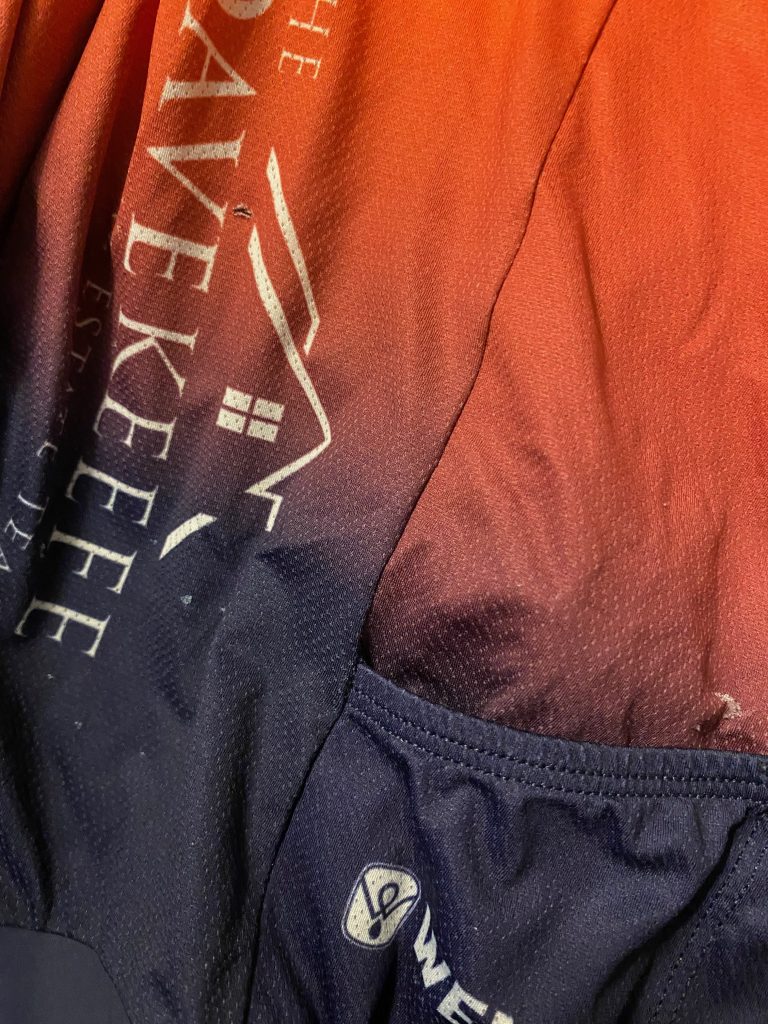
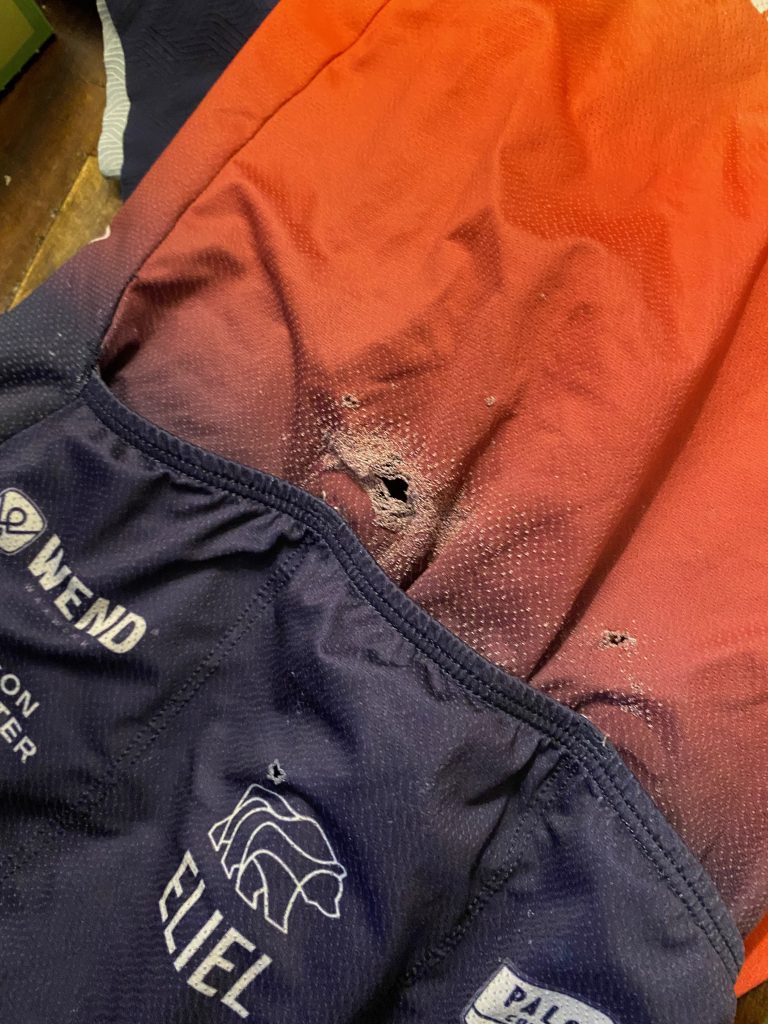
Skin suits are meant to be tight to the skin, and experienced bike racers know the awkwardness of having your teammate pinch your skin suit to try and get a hold of it, usually pinching your ribcage and skin in the process, and then every now and then poking you with the end of the pin before getting it all done. Pins also come undone, numbers and skin suits rip, and you end up doing it all over again or racing with a flapping number. Here is a new skin suit with a few holes in it from racing and an older one that has seen a lot of races and a lot of pins.
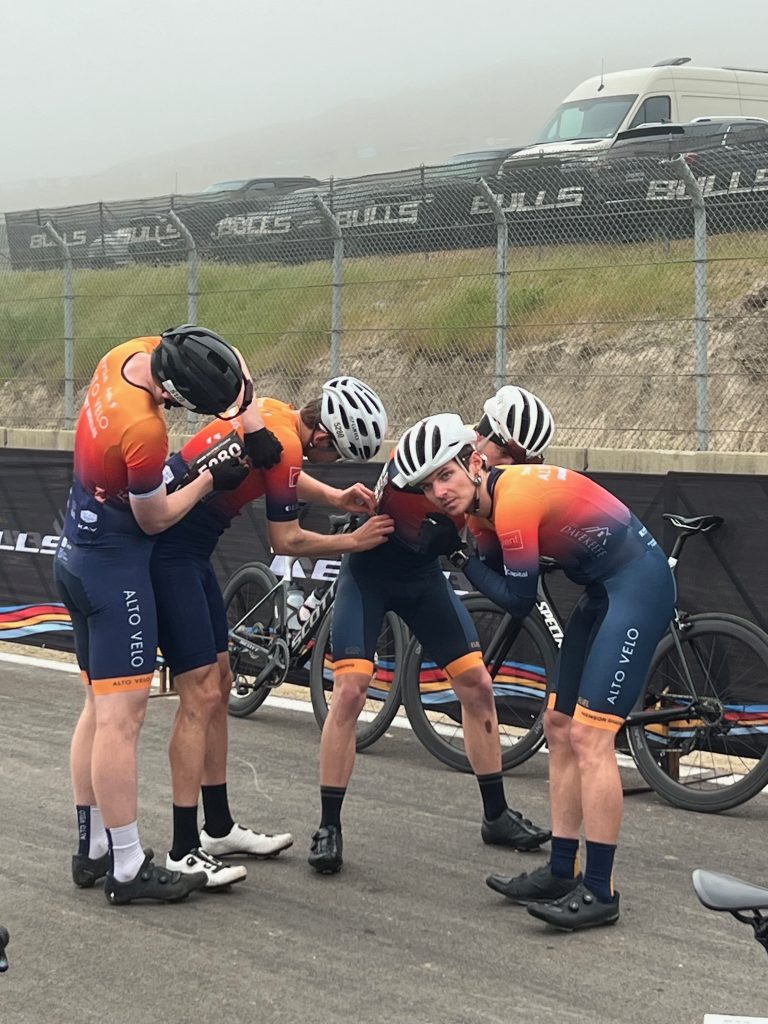
The best case scenario when showing up to a race now is that a group of my teammates are all together, and we can all pin each other while chatting. Human pinning centipedes are a funny sight when they happen. The picture at the top is on the start line for the Sea Otter Circuit Race on Laguna Seca when the organizers came on the loud speaker to say, “Oops, we told you to pin the numbers on the wrong side. Everyone switch them to the other side!”
When someone does pin it for me, I’m thinking about how well the pin job is. In Norcal, numbers are pinned on the side of your kit (body wise on your back and side) such that organizers can see your number from the side of the course are you ride through the start / finish. As you can see above, the person getting pinned needs to bend over in a position similar to a riding position, or else, when you hop on the bike, the number or your $200 skin suit will rip.
You don’t want to pin your number too tightly to risk ripping the number or skin suit. On the flip side, it’s not hard to understand that if your number is pinned very loosely, you are going to be slowed down by the drag it causes. In the modern cycling world of marginal aerodynamic gains, it’s contradictory for people to show up to the start line with thousands of dollars worth of aero frames, aero wheels, aero helmets, skin suits, aero socks, and aero handlebars to name a few to then race with a number flapping or parachuting in the wind.
Why don’t pros have to deal with this? Well, pros (let’s say in the Tour de France) have numbers that stick to the back of their jerseys where the pockets are. The numbers are high quality and are not in the wind. TV cameras all over the place allow officials to see the number on the back of the jersey, whereas in amateur racing, officials on the side of the course at the finish line need to be able to see your number as your ride through the finish, hence why it’s needs to be on your side.
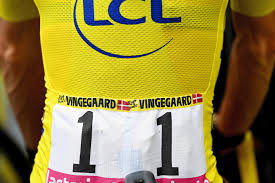
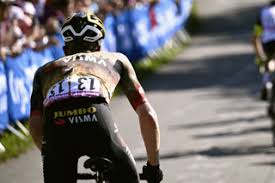
Part of my inspiration for the race number sleeve did come from watching the pros. My favorite team, EF Education – Easy Post, are sponsored by Rapha, and Rapha outfitted them with a Time Trial Suit with a number pocket where the “jersey pockets” would be on a road suit or jersey.
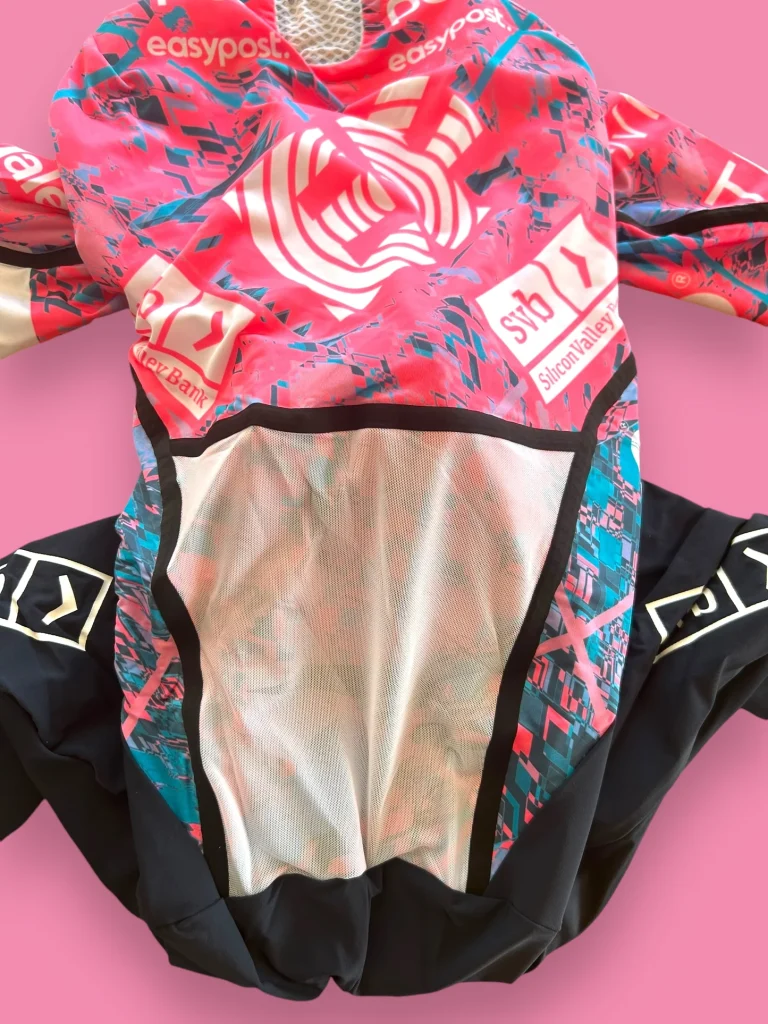
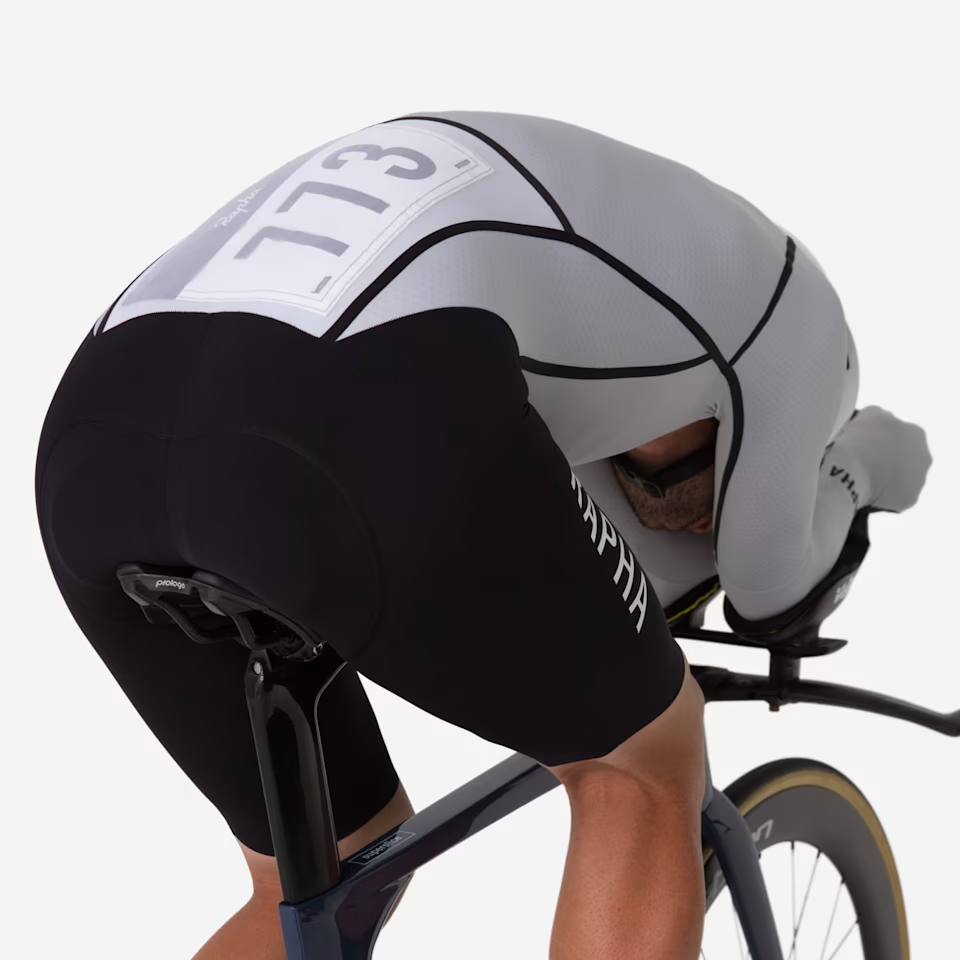
Solution: An attachable sleeve
I came up with the idea of making a sleeve that one could slide their race number into sometime in 2023. I’ve worked on it intermittently since then, and I’ve come to the realization that my sewing skills are holding back a working prototype.
I initially thought about sewing on a permanent sleeve to one’s skin suit (for instance on Alto Velo, we get our kit around March every year, and one would buy a sleeve to attach to their new skin suit after receiving it), but then I realized there are some drawbacks. Folks train in their skin suits, so they wouldn’t want the sleeve there when they aren’t racing for how it looks. Different races also require different sides of your back for number placement (right or left), so you would need two. Thus, I came up with a system where one would attach female connectors that are of low visibility to the skin suit and attach the mesh on top when racing. Racers can switch sides easily and ride in the skin suit without the mesh when they want.
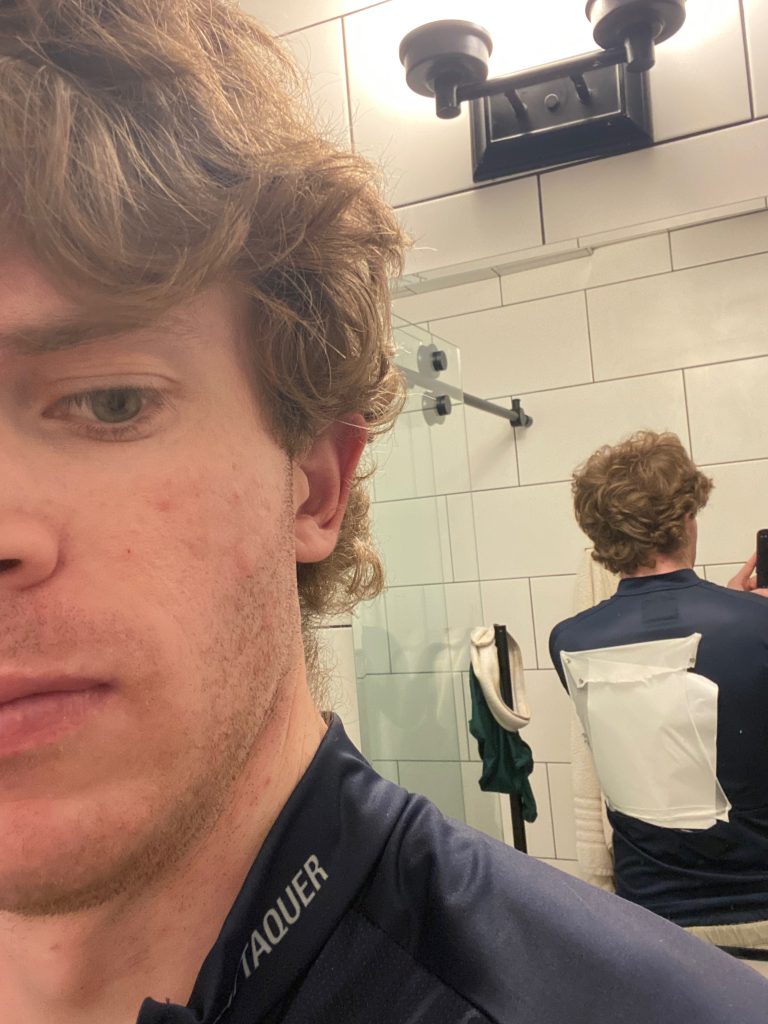
After scowering Amazon, I purchased some athletic mesh fabric and fabric fasteners and went to work. I iterated through a couple of different fabric buttons and arrived at bra hooks. Bra hooks are resilient and strong (being designed for bras) whereas the female button parts tend to come out of the fabric easily. Bra hooks need to be sewed into fabric whereas fabric buttons are stamped into place with a mallet. I initially wanted to make a kit that someone could buy and install on their kit on their own, but it seems that might not be a feasible route, or at least there is a better alternative that is inexpensive – bringing the race sleeve kit and skin suit to a seamstress.
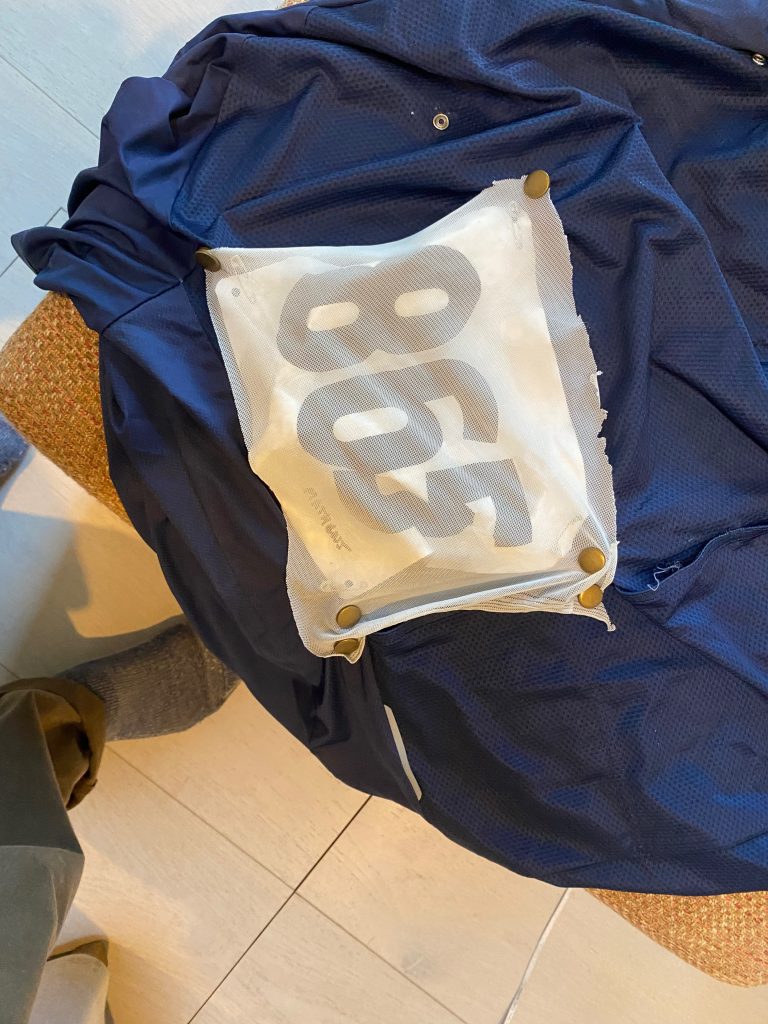
I quickly learned that using the mesh fabric on its own was not satisfactory – the mesh would be pulled non-uniformly at the contact points of the bra hooks / buttons. I decided to sew a more rigid border onto the mesh, emulating other sports garments I’ve seen (on my skin suits in fact) to make the stretch on the mesh more uniform.
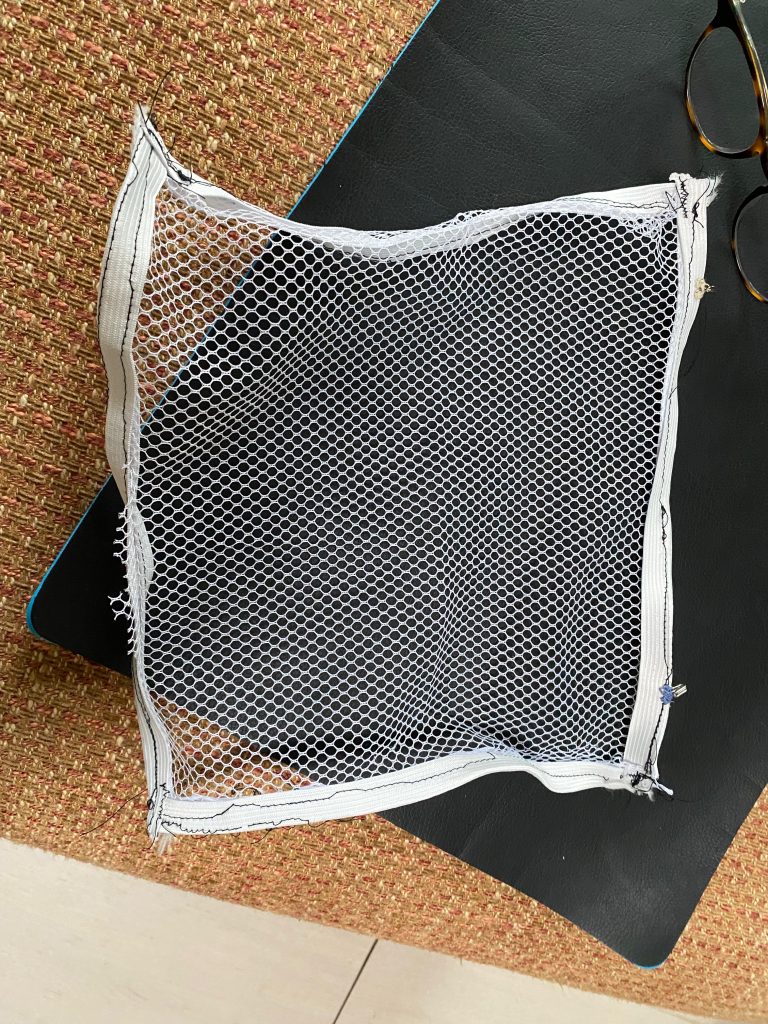
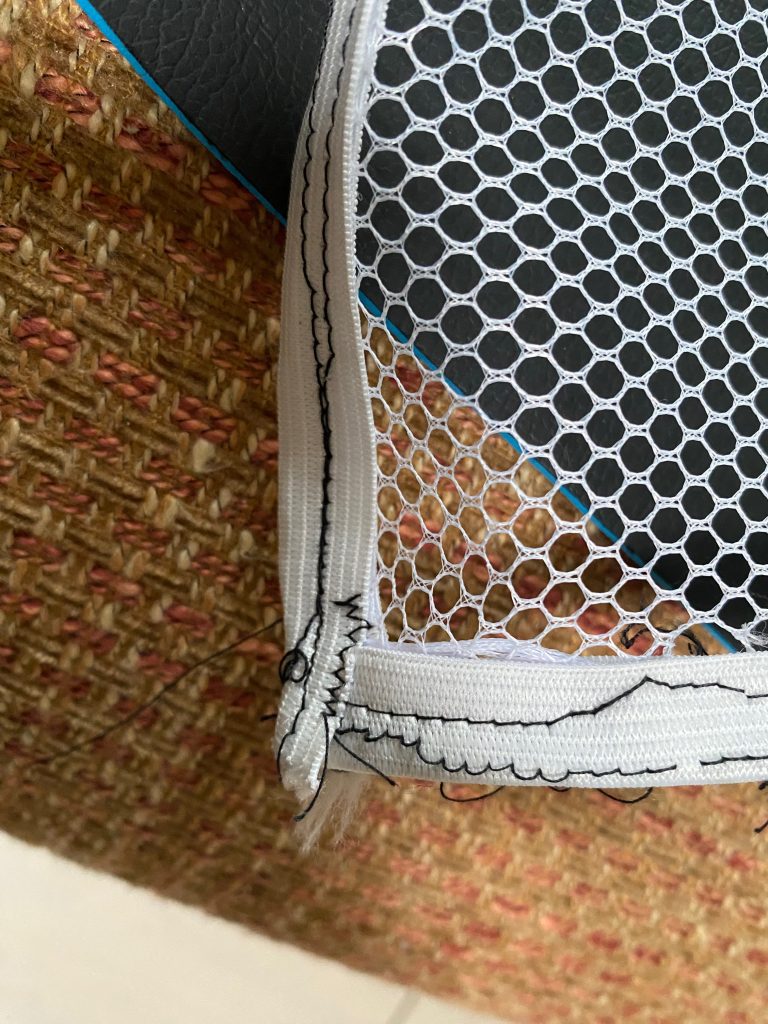
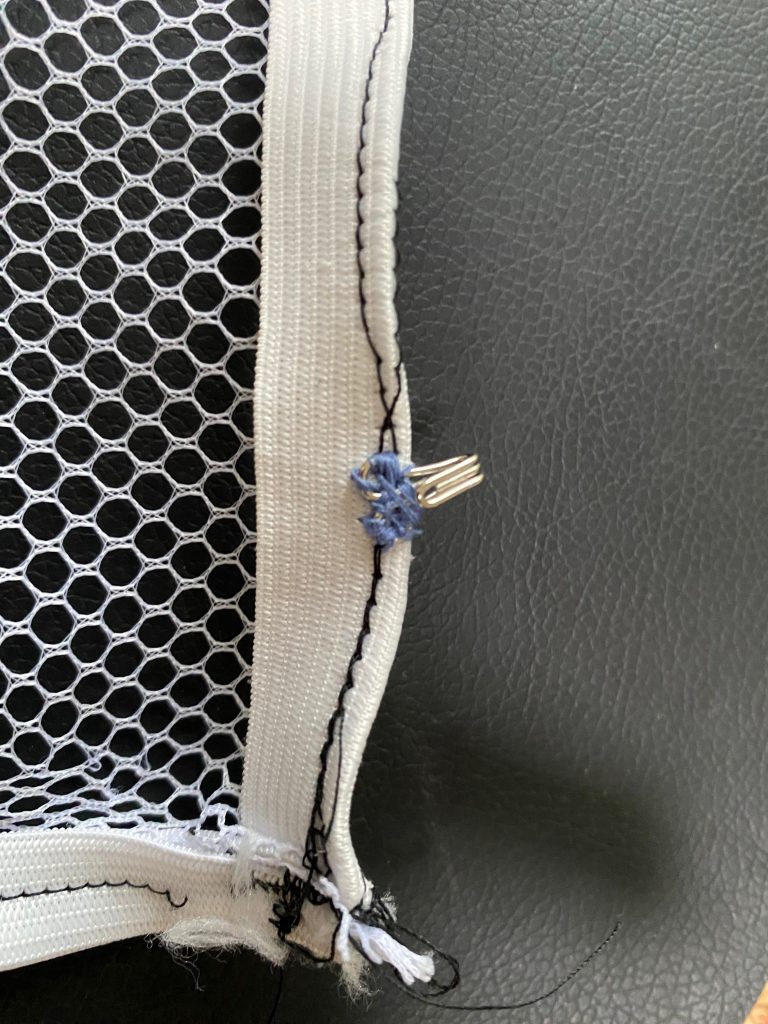
I got pretty good with a sewing machine after doing this, but I found my job was still pretty shabby. It was difficult finding the best attachment points on the kit to make the mesh fit well.
The next step: finding a seamstress to make it perfect for me! Then perhaps creating a template for seamstresses to follow in the future. One could buy the mesh and bring the hooks and skin suit to a seam stress, and they’d sew everything in the right place.
I’ll update this page once more with this project happens!